




















Can Migraine Exercises by Physiotherapists Improve Recovery and Reduce Headache Frequency?

What is a Migraine?
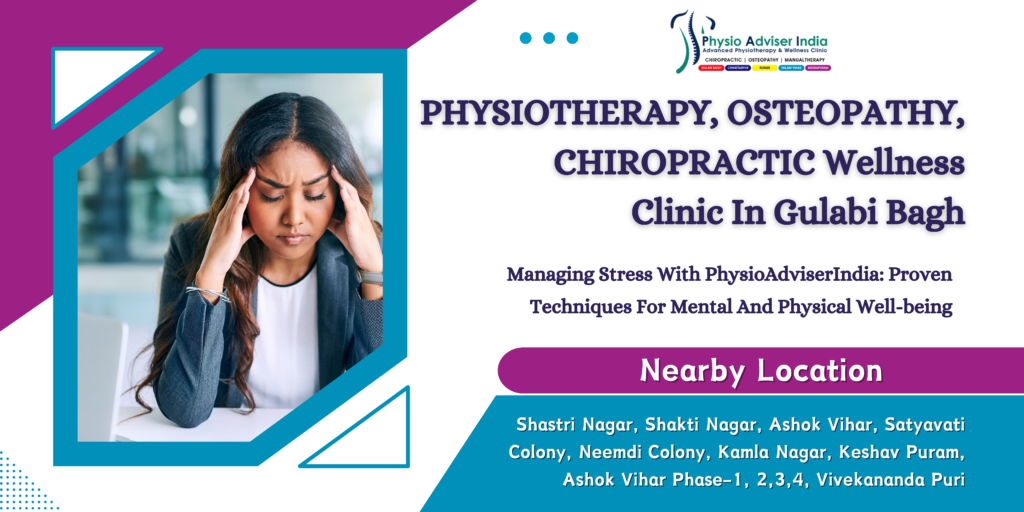
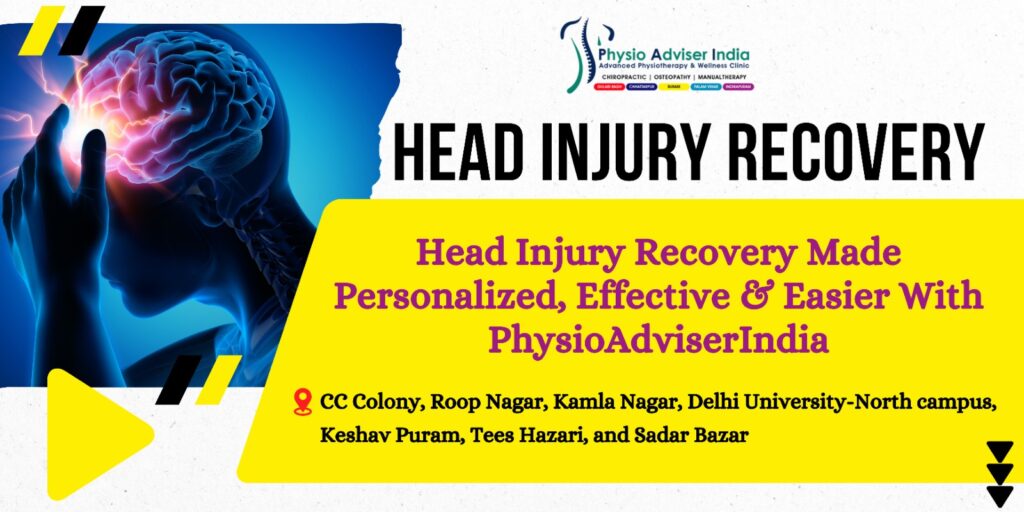
A common neurological disorder called migraines is marked by excruciating, incapacitating headaches. In contrast to ordinary headaches, migraines frequently cause nausea, vomiting, and light and sound sensitivity. An individual’s quality of life can be greatly affected by these episodes, which can last anywhere from a few hours to several days. The first step to successfully controlling migraines is understanding them. Migraine exercise is a useful strategy for controlling migraines; it can aid with symptom relief and attack frequency reduction.
Types of Migraine Headaches:-
- The common kind of migraine is called aura-free: which is typified by moderate to intense headache pain without any concomitant sensory problems.
- Aura migraine: Contains sensory or visual abnormalities that manifest before the onset of the headache. These could be blind areas, flashing lights, or facial or hand tingling.
- Chronic Migraine: Defined by experiencing headaches on 15 or more days per month, with at least eight days having migraine features, for more than three months.
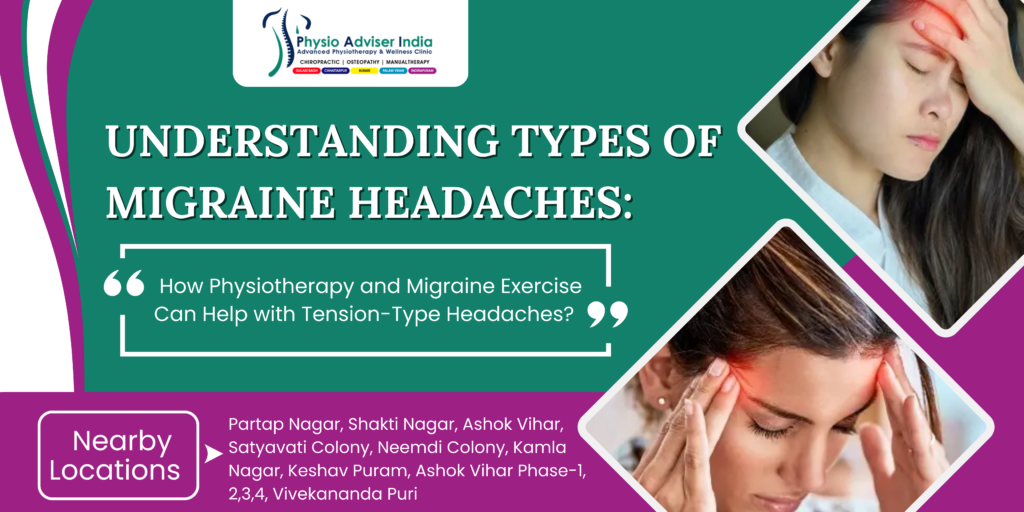
- Tension-Type Headaches: Often mistaken for migraines, these headaches are usually caused by muscle tension and stress, leading to a dull, aching pain.
How Does Lifestyle Increase the Possible Risk of Migraine?
Migraines are increasingly impacting younger people, especially children, and teenagers, in modern-day society. There is a considerable correlation between the increasing frequency of migraines and stress, irregular sleep patterns, excessive screen time, and poor food habits. It’s critical to address these lifestyle variables with complete treatment solutions since they have the potential to both cause and intensify migraine symptoms.
What Are the Non-Surgical Treatments for Migraine?
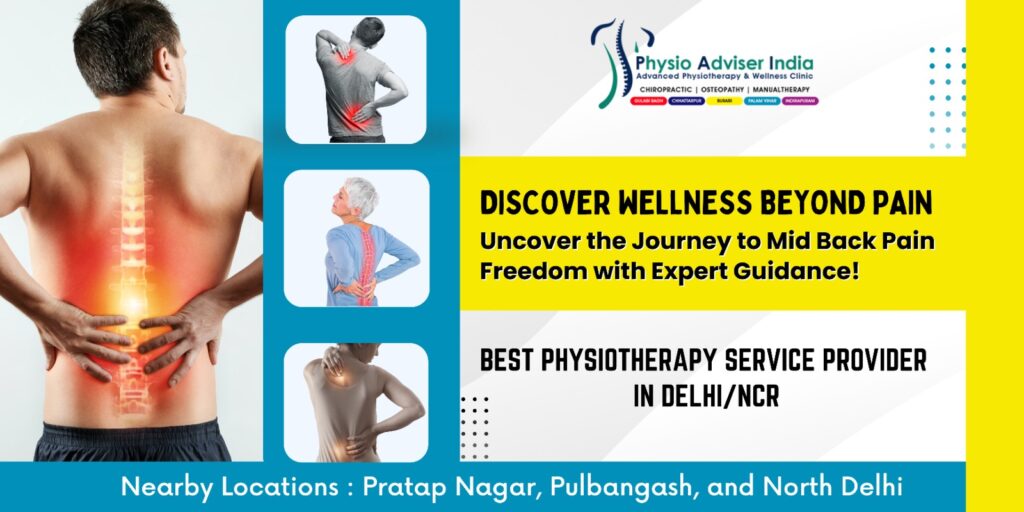
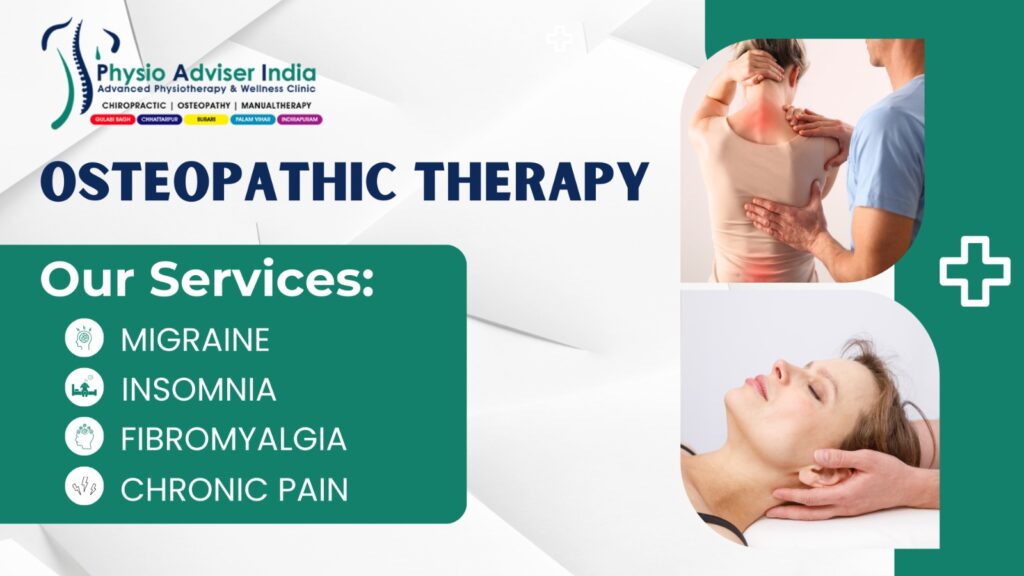
Though medicines are the mainstay of treatment for migraines, they are not the sole option. Non-surgical approaches include lifestyle changes, stress reduction strategies, and regular exercise to help a lot of people find relief. Physiotherapy is a highly efficient treatment for migraines that is sometimes ignored. It helps lessen the frequency and intensity of headaches. Tension-type headaches can be considerably relieved with migraine exercise and focused physical therapy.
What Positive Effects Can Physiotherapy for Migraine Exercise Have?
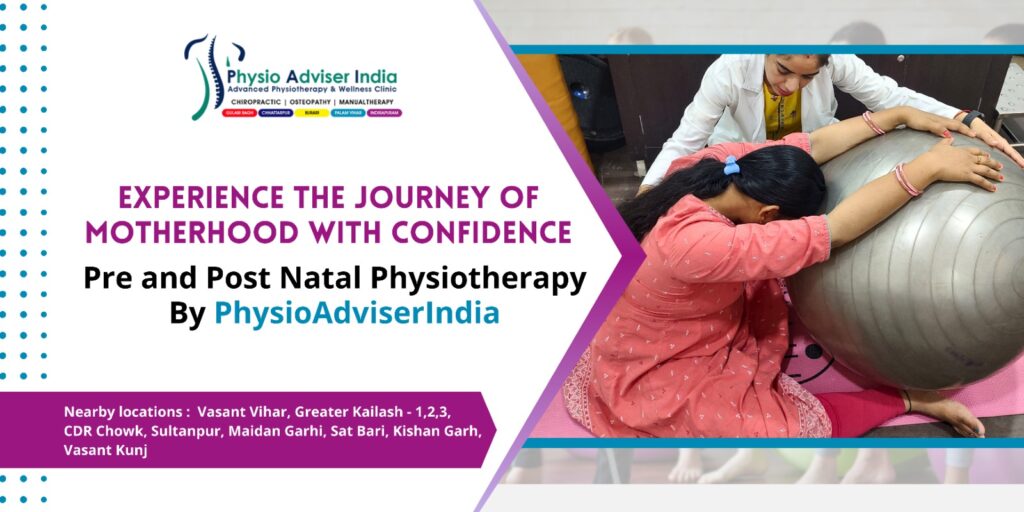
Our physiotherapy sessions at PhysioAdviserIndia, which has locations in Partap Nagar and Gulabi Gagh, are specifically designed to relieve migraine headaches. Our method focuses on physical activities that enhance general health and reduce stress, both of which can greatly reduce migraine symptoms. To provide patients with convenient and efficient treatment, Dr. Shardeshu Srivastava (PT) and our team of skilled physiotherapists offer both OPD and in-home physiotherapy services. We provide choices to meet what you want, whether you’re searching for a Physiotherapy Clinic Near Me or would rather get care at home.
For Migraine Exercise, Why PhysioAdviserIndia?
Migraines require a multifaceted treatment approach. Physiotherapy, especially when combined with migraine-specific exercises, can provide significant relief and improve the quality of life for sufferers. At PhysioAdviserIndia, we are committed to helping our patients manage their migraines effectively. Whether through our OPD Physiotherapy or Physiotherapy Home Service, our expert team is here to support you on your journey to better health.
Have a conversation with Dr. Shardeshu Srivastava (PT) at PhysioAdviserIndia if you suffer from migraine headaches, particularly tension headaches. Our specialized physiotherapy treatments are intended to help you regain control over your life and find relief from migraines. One such program includes exercise exercises. Reach out to us right now to find out more about our offerings and how we can assist you in controlling your migraine symptoms. We can help you whether you want a physiotherapy home service or an OPD physiotherapy session. Go no further than PhysioAdviserIndia, contact us at +91 9899309403 if you’re looking for a reputable physiotherapy near me.